![[nap_names id="FIRM-NAME-2"]](/wp-content/uploads/sites/1203779/2024/01/KF-main-horiz-logo.png)
As technology grows, self-driving delivery robots are becoming common in Illinois cities. However, deciding who pays in autonomous robot accidents is more complicated than in typical pedestrian or car crashes. That’s why understanding who’s responsible when these accidents happen can protect your rights
What are autonomous sidewalk delivery robots?
To figure out who is liable, you first need to know what these machines are. These self-driving robots deliver food and packages to you. They travel on sidewalks using sensors, cameras, and GPS. Many delivery and logistics companies use them in cities across Illinois. The robots are usually about knee-high and move at walking speed. Even though they are small, they can still injure you and others on the sidewalk.
Common accidents that self-driving robots can get into
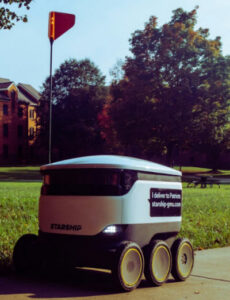
Understanding the risks associated with autonomous robots is the first step in protecting your rights. These machines can often lead to several types of incidents including:
- Pedestrian accidents: People may trip over robots that stop suddenly or block public walkways.
- Car accidents: A robot entering a road or crosswalk unexpectedly may force drivers to swerve or brake.
- Property damage: Malfunctioning robots can crash into parked cars, storefronts, or outdoor cafes.
Beyond the physical risks, these accidents often result in significant medical bills and repair costs. But who is liable when an autonomous robot causes harm?
Who may be liable for these accidents?
To find who is responsible, you must determine whose carelessness caused the incident. Because these robots depend on complex technology and supervision, more than one party may be at fault, including:
- Operating companies: The businesses that deploy these robots must ensure safe daily operations and proper supervision.
- Manufacturers: You may hold the company that built the robot liable if a mechanical failure or design flaw caused the crash.
- Software developers: Coding errors or navigation glitches that cause unsafe behavior can place liability on the developers.
- Maintenance teams: Those hired to service the robots are at fault if they miss updates or fail to fix faulty sensors.
- Property owners or cities: Poorly maintained sidewalks or hazardous paths may contribute to the accident.
- Remote operators: A human monitor may share blame if they ignore safety alerts or issue unsafe commands.
Given the number of parties involved, these cases require a detailed investigation to ensure you hold the right people accountable.
Protecting your rights on the sidewalk
Autonomous delivery technology shouldn’t reduce your rights as a pedestrian or driver. Illinois law gives you the same protections if you’re hurt by a self-driving robot as in other accidents. Thus, knowing who is responsible helps you deal with a more automated world and ensures someone is held accountable.